
Exclusive Executive Brief – May 2026- Turn Big Plans Into Reality with SBA Financing

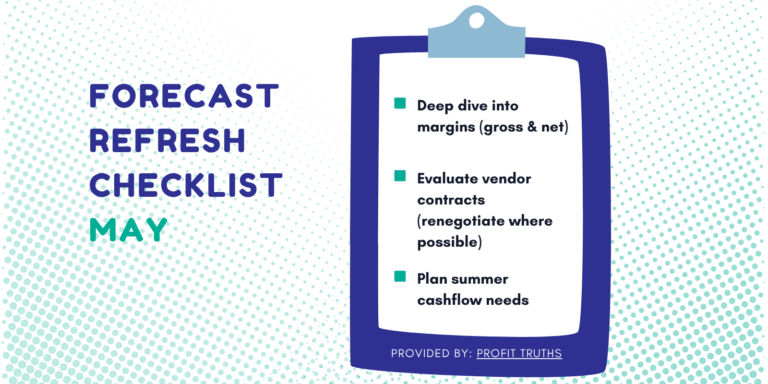
Financial Checklist for Small Business for June

Turn Big Plans into Reality with SBA Financing

Big ideas are great for business, but they usually need the right financing to become reality. If you’ve been thinking about growing your business, opening a new location, buying equipment or real estate, smoothing out cash flow or acquiring a new business, an SBA loan could be the smart, affordable solution your business has been waiting for.

Backed by the U.S. Small Business Administration, SBA loans are designed specifically to help small businesses access financing with flexible terms and competitive rates. That means you may qualify for funding with lower down payments, longer repayment periods or less collateral than many conventional loans. In other words, more room to breathe in your budget while you focus on growth.

Here are a few ways business owners often use SBA financing:

  • Purchasing real estate, equipment or technology
  • Expanding or renovating a location
  • Buying inventory and managing seasonal cash flow
  • Refinancing certain existing business debt
  • Acquiring a business or buying out a partner

“What makes SBA lending different is the support behind the scenes,” according to Liz Chandler, an SBA specialist with Atlantic Union Bank. “The SBA guarantees a portion of the loan, which can make it easier for qualified borrowers to be approved. You still work one-on-one with a bank, but that added backing helps open doors that might otherwise be tough to unlock.” 

Our experienced SBA lending team focuses on guiding business owners through each step, from exploring options to submitting documentation and closing. We’ll help you understand:

  • Which SBA program may fit your needs 
  • How much you may be able to borrow based on your plans and projections
  • What to expect in the application process
  • How your repayment schedule could work with your cash flow

You bring the vision and the deep knowledge of your business. We’ll bring experience, local insight and a lending team that understands how to navigate SBA guidelines, timelines and requirements. Our goal is to help you spend less time worrying about paperwork and more time focusing on what you do best, running and growing your business.  

If you’re not sure whether your idea is “big enough” for an SBA loan, or you’re wondering if your business might qualify, that’s exactly what we’re here to talk about. Sometimes a quick conversation is all it takes to uncover options you didn’t realize you had.  

Ready to explore what SBA lending could do for your business? We recommend you visit AtlanticUnionBank.com/SBA, where you can learn more.

Your next stage of growth doesn’t have to stay “someday.” With the right SBA loan and a banking partner committed to your success, you can start moving those plans forward today.  

We would like to thank contributing author,

Liz Chandler of Atlantic Union Bank for writing this article.


The Best Time to Get a W-9

Obtaining a vendor’s W-9 before paying any invoices is critical for ensuring proper tax compliance and protecting the business from penalties.

A W-9 provides the vendor’s legal name, tax classification, and taxpayer identification number, which are required to accurately track payments and determine whether a 1099 must be issued at year-end.

If payments are made without a W-9 on file and the information later turns out to be incorrect or missing, the business may face IRS penalties, backup withholding requirements, or delays during 1099 preparation. Collecting the W-9 upfront also ensures vendor records are complete and accurate from the start, reducing administrative issues and rework later in the year and supporting a clean, compliant accounting process.


Stagnation is the silent threat every established business faces. The temptation to rely on what has always worked can be strong, especially when it has produced years of success. 

But today’s market does not reward complacency. It rewards awareness, agility, and a willingness to adjust. To remain competitive, businesses must resist the comfort of old routines and instead focus on what the present and the future demand. This mindset has guided our journey. There have been moments when I found myself saying, “This has always worked,” only to discover that it no longer did. Those moments were not failures. They were signals that it was time to evolve.

Read more here

Cheryl Blazej